

 Latviešu
 Deutsch
Accessories
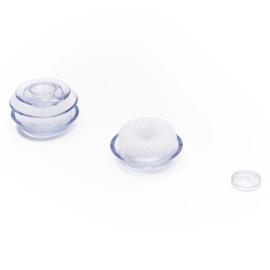 Hot
Hot
€ 10.00
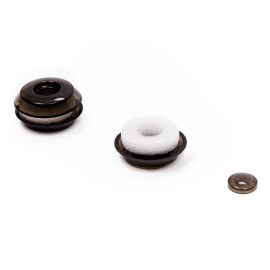
Thermowasher bronze (25 pcs)
Ø 38 mm
€ 12.05
.jpg "Breathable Tape 25mm x 5m - SIA Ultraplast EU")
Breathable Tape 25mm x 5m
5m x 25 mm
€ 2.15
.jpg "Breathable Tape 38mm x 5m - SIA Ultraplast EU")
Breathable Tape 38mm x 5m
5m x 38 mm
€ 2.50
-(1).jpg "Breathable Tape 38mm x 25m - SIA Ultraplast EU")
Breathable Tape 38mm x 25m
25m x 38 mm
€ 5.99
.jpg "Aluminium Tape 25mm x 5m - SIA Ultraplast EU") New
New
Aluminium Tape 25mm x 5m
5m x 25 mm
€ 1.85
.jpg "Aluminium Tape 25mm x 25m - SIA Ultraplast EU") New
New
Aluminium Tape 25mm x 25m
25m x 25 mm
€ 2.90
.jpg "Aluminium Tape 25mm x 50m - SIA Ultraplast EU") New
New
Aluminium Tape 25mm x 50m
50m x 25 mm
€ 5.50
.jpg "Aluminium Tape 38mm x 5m - SIA Ultraplast EU") New
New
Aluminium Tape 38mm x 5m
5m x 38 mm
€ 2.00
.jpg "Aluminium Tape 38mm x 25m - SIA Ultraplast EU") New
New
Aluminium Tape 38mm x 25m
25m x 38 mm
€ 4.00
Complete Range of Polycarbonate Sheet Accessories for Professional Installation
When working with polycarbonate sheets — whether for roofing, greenhouses, canopies, or wall cladding — the quality of the final result depends not only on the sheet itself but equally on the accessories used during installation. Properly selected polycarbonate sheet accessories ensure a secure, weatherproof, and long-lasting structure.
This section covers everything you need to complete your project correctly: thermowashers for reliable point fixing, breathable tape for moisture and dust protection at open sheet ends, and aluminium tape for sealing the top edges of polycarbonate panels. Each product in our accessories range has been selected to meet the technical requirements of modern polycarbonate installation and to ensure the structural integrity and longevity of your construction.
Why Polycarbonate Installation Accessories Matter
Many buyers focus exclusively on choosing the right polycarbonate sheet and overlook the critical role that accessories play in the overall performance of the structure. In practice, even the highest-quality polycarbonate sheet will underperform if it is not properly fixed, sealed, and protected at its edges and fastening points.
Polycarbonate is a thermoplastic material with a relatively high coefficient of thermal expansion. This means that sheets expand and contract significantly with temperature changes — a factor that must be accounted for during installation. Standard metal screws or nails used without appropriate washers can crack the sheet, create stress points, and allow water ingress. Similarly, leaving the open ends of multiwall polycarbonate sheets unsealed allows dust, insects, algae, and moisture to enter the internal flutes, leading to discolouration, reduced light transmission, and structural degradation over time.
The correct use of polycarbonate fixing accessories — thermowashers, breathable tape, and aluminium sealing tape — addresses all of these issues and is considered best practice by professional installers and construction specialists worldwide.
Thermowashers for Polycarbonate Sheets
What Is a Thermowasher and How Does It Work?
A thermowasher (also referred to as a thermal washer or polycarbonate fixing washer) is a purpose-designed fastening component used to attach polycarbonate sheets to a supporting frame structure. Unlike standard metal washers or screws used alone, a thermowasher is engineered specifically to accommodate the thermal expansion and contraction behaviour of polycarbonate.
Each thermowasher set typically consists of three components:
- The washer body with a leg — a plastic disc with a central tube (leg) that fits into a pre-drilled hole in the polycarbonate sheet, keeping the fastener centred and allowing the sheet to move freely around the fixing point
- A sealing O-ring — a rubber gasket that creates a watertight seal around the fixing hole, preventing water penetration
- A protective snap-on cap — a cover that clicks over the screw head, protecting it from UV exposure and weather, and giving the installation a clean, finished appearance
The thermowasher is installed by pre-drilling an oversized hole in the polycarbonate sheet (typically 10–12 mm in diameter), inserting the washer leg into the hole, driving a self-tapping screw through the leg into the frame, and snapping the protective cap into place. The oversized hole combined with the washer leg allows the sheet to expand and contract thermally without cracking or distorting around the fixing point.
Thermowasher Specifications and Available Options
At Ultraplast EU, we stock thermowashers in a standard diameter of Ø 38 mm, available in two colour options to match different polycarbonate sheet tones.
The transparent thermowasher is the most versatile option and is suitable for use with clear, opal, and light-tinted polycarbonate sheets. The bronze thermowasher is specifically designed to complement bronze-tinted polycarbonate, providing a visually consistent and professional finish.
Key Technical Requirements for Thermowasher Installation
Correct installation of thermowashers is essential for both structural performance and the long-term integrity of the polycarbonate sheet. The following technical guidelines apply:
- Pre-drill hole diameter: 10–12 mm (must be larger than the screw diameter to allow thermal movement)
- Fixing point spacing: 250–400 mm along the sheet length
- Minimum distance from sheet edge: 40 mm
- Screw type: self-tapping screws are recommended; do not use nails or rivets
- Torque: do not overtighten — the screw should be snug but not compressing the sheet
- Hole position: holes should be drilled between the internal stiffening ribs of multiwall sheets, not through them
It is important to note that standard roofing screws or conventional fixing hardware should not be used without thermowashers when fastening polycarbonate sheets. Polycarbonate has a significantly higher coefficient of thermal expansion than metal, and without the thermal washer's compensating leg, temperature-induced movement will cause the sheet to crack around the fixing point over time.
Applications for Thermowashers
Thermowashers are suitable for a wide range of polycarbonate installation projects, including:
- Greenhouse glazing — securing polycarbonate panels to aluminium or timber greenhouse frames
- Carport and canopy roofing — fixing multiwall or solid polycarbonate sheets to structural frames
- Conservatory roofing — attaching polycarbonate panels to conservatory roof systems
- Pergola and patio cover construction — point-fixing polycarbonate sheets to timber or steel pergola structures
- Wall cladding — securing polycarbonate panels used as translucent wall cladding in commercial or agricultural buildings
- Skylight and roof light installation — fixing polycarbonate sheets in flat or pitched roof applications
Breathable Tape for Polycarbonate Sheets
The Purpose of Breathable Tape
Breathable tape (also known as vent tape, anti-dust breather tape, or filter tape) is a self-adhesive, microporous tape applied to the open bottom ends of multiwall polycarbonate sheets. Its primary function is to prevent the entry of dust, insects, algae spores, and other airborne debris into the internal flute channels of the sheet, while simultaneously allowing moisture vapour (condensation) to escape from within the flutes.
Multiwall polycarbonate sheets — whether twin-wall, triple-wall, or multi-wall — have a hollow internal structure consisting of parallel channels (flutes) running along the length of the sheet. These channels are open at both ends (the cut edges of the sheet). Without protection, these open ends become entry points for contaminants that accumulate inside the sheet over time, causing permanent discolouration, reduced light transmission, and a deterioration of the sheet's thermal insulation properties.
Breathable tape is specifically designed to address this problem. Its microporous structure allows air and water vapour to pass through freely, preventing condensation build-up inside the flutes, while its fine filtration properties block solid particles and insects. This makes breathable tape an essential component in any multiwall polycarbonate installation where long-term clarity and performance are required.
Breathable Tape Products Available at Ultraplast EU
We offer breathable tape in two widths and multiple roll lengths to suit different sheet thicknesses and project scales.
The 25 mm wide breathable tape is suitable for use with thinner multiwall polycarbonate sheets (typically 4 mm and 6 mm twin-wall sheets). The 38 mm wide breathable tape is designed for use with thicker multiwall sheets, including 10 mm, 16 mm, and similar profiles, where the wider tape provides full coverage of the open sheet end.
For larger projects — such as greenhouse construction, commercial roofing, or multi-bay canopy systems — the 25-metre roll offers a more economical option, reducing the number of roll changes and lowering the per-metre cost.
How to Apply Breathable Tape Correctly
Proper application of breathable tape is straightforward but requires attention to a few key details to ensure an effective seal:
- Identify the correct end — breathable tape is applied to the lower end of the polycarbonate sheet (the end nearest to the gutter or eaves), where water runoff exits the flutes. This allows condensation to drain out while the tape prevents debris from entering.
- Clean the surface — ensure the sheet end is clean, dry, and free from dust or grease before applying the tape. Adhesion is significantly reduced on contaminated surfaces.
- Temperature conditions — do not apply tape in temperatures below +5°C, as adhesive bonding strength is reduced in cold conditions. Apply in dry weather conditions.
- Application — peel back the protective liner and apply the tape firmly across the full width of the sheet end, pressing down evenly to ensure full contact with the sheet surface.
- Overlap at joints — if two pieces of tape are needed to cover a wide sheet, ensure a minimum overlap of 25 mm between the two sections.
- Top end sealing — the top end of the sheet (at the ridge or wall) should be sealed with aluminium tape (see below) to prevent water and debris from entering from above.
It is important to note that breathable tape is an anti-dust barrier and does not replace the need for proper end closure profiles or drip trims. End stop bars or U-profiles should always be installed over the tape as the primary structural seal.
Aluminium Tape for Polycarbonate Sheets
What Is Aluminium Tape and Where Is It Used?
Aluminium tape (also referred to as aluminium sealing tape, solid foil tape, or non-breathable tape) is a self-adhesive tape with a solid aluminium foil backing. Unlike breathable tape, aluminium tape is completely impermeable — it does not allow air or moisture to pass through. This makes it the correct choice for sealing the top end of multiwall polycarbonate sheets, where no ventilation is required and a fully airtight, waterproof seal is needed.
The top end of a multiwall polycarbonate sheet — the end at the ridge, wall flashing, or upper fixing point — must be sealed completely to prevent rainwater, insects, and debris from entering the flutes from above. Because water does not need to drain from the top end, a solid, non-breathable seal is appropriate and preferable. Aluminium tape provides this seal reliably, with excellent adhesion to polycarbonate surfaces and strong resistance to UV radiation, temperature extremes, and moisture.
Aluminium tape is also used in other applications where a reflective, moisture-resistant, and UV-stable adhesive tape is required, including HVAC ductwork, insulation sealing, and general construction applications.
Aluminium Tape Products Available at Ultraplast EU
We stock aluminium tape in two widths and three roll lengths, providing flexibility for both small DIY projects and large-scale professional installations.
The 25 mm aluminium tape is suitable for sealing the top ends of thinner polycarbonate sheets (4 mm, 6 mm twin-wall). The 38 mm aluminium tape provides full coverage for thicker multiwall sheets (10 mm, 16 mm, and above). For professional contractors and large projects, the 25-metre and 50-metre rolls offer significant cost savings compared to purchasing multiple short rolls.
Aluminium Tape vs. Breathable Tape: Key Differences
A common source of confusion among buyers is understanding when to use aluminium tape versus breathable tape. The distinction is straightforward and based on the function of each sheet end:
| Feature | Breathable Tape | Aluminium Tape |
|---|---|---|
| Permeability | Microporous — allows vapour to pass | Solid — fully impermeable |
| Primary application | Bottom (lower) end of sheet | Top (upper) end of sheet |
| Function | Prevents dust/insects; allows condensation to drain | Creates airtight, waterproof seal |
| UV resistance | Good | Excellent |
| Typical width | 25 mm, 38 mm | 25 mm, 38 mm |
| Suitable for | Multiwall polycarbonate sheets | Multiwall polycarbonate sheets |
In a standard polycarbonate roofing installation, both types of tape are used together: breathable tape at the lower end and aluminium tape at the upper end. This combination ensures that the internal flutes of the sheet are protected from contamination at both ends while allowing condensation to drain naturally from the bottom.
Choosing the Right Accessories for Your Project
Selecting the correct accessories depends on the type of polycarbonate sheet being installed, the sheet thickness, and the nature of the project. The table below provides a general guide to accessory selection based on common installation scenarios:
| Application | Sheet Type | Recommended Accessories |
|---|---|---|
| Greenhouse glazing | 4–6 mm twin-wall | Thermowashers (transparent), Breathable Tape 25 mm, Aluminium Tape 25 mm |
| Carport / canopy roofing | 10–16 mm multiwall | Thermowashers (transparent or bronze), Breathable Tape 38 mm, Aluminium Tape 38 mm |
| Conservatory roof | 16–25 mm multiwall | Thermowashers, Breathable Tape 38 mm, Aluminium Tape 38 mm |
| Pergola / patio cover | 10–16 mm multiwall | Thermowashers, Breathable Tape 38 mm, Aluminium Tape 38 mm |
| Commercial roofing | 16–25 mm multiwall | Thermowashers, Breathable Tape 38 mm, Aluminium Tape 38 mm (large rolls) |
| Wall cladding | Solid or multiwall | Thermowashers, Aluminium Tape 25–38 mm |
When in doubt about which accessories are appropriate for your specific project, our team at Ultraplast EU is available to provide technical guidance. We supply polycarbonate sheets and all associated installation accessories, ensuring that you can source everything needed for your project from a single, reliable supplier.
Polycarbonate Accessories: Colour Options and Compatibility
Colour matching between accessories and polycarbonate sheets is an important consideration for projects where aesthetics matter — such as residential conservatories, architectural canopies, and visible roofing structures. At Ultraplast EU, our accessories are available in the following colours:
- Transparent — suitable for clear and opal polycarbonate sheets; provides a discreet, unobtrusive appearance
- Bronze — designed to complement bronze-tinted polycarbonate sheets; provides a visually consistent finish
- Silver / Grey — aluminium tape has a natural silver metallic finish that is neutral and compatible with most sheet colours
All accessories in our range are manufactured from materials that are UV-stabilised and weather-resistant, ensuring that they maintain their performance and appearance over the full service life of the polycarbonate installation.
Installation Best Practices for Polycarbonate Accessories
General Principles
Correct installation of polycarbonate accessories is as important as selecting the right products. The following general principles apply to all polycarbonate sheet installations:
- Always use accessories that are specifically designed and rated for use with polycarbonate sheets. Generic hardware may not accommodate the thermal expansion characteristics of polycarbonate and can cause sheet damage.
- Pre-drill all fixing holes before installing thermowashers. Holes must be oversized relative to the screw diameter to allow for thermal movement.
- Apply tapes only to clean, dry surfaces at temperatures above +5°C. Cold or wet conditions significantly reduce adhesive bond strength.
- Do not overtighten thermowasher screws. The sheet must be able to move freely at each fixing point.
- Always seal both ends of multiwall polycarbonate sheets: breathable tape at the lower end, aluminium tape at the upper end.
- Install end closure profiles or U-profiles over the tape at both ends as the primary structural seal. Tape alone is not a substitute for proper end closure hardware.
Step-by-Step Installation Sequence
A professional polycarbonate sheet installation typically follows this sequence:
- Frame preparation — ensure the supporting frame is level, structurally sound, and dimensioned correctly for the sheet size
- Sheet positioning — position the polycarbonate sheet on the frame with the UV-protected side facing outward (upward for roofing applications)
- Pre-drilling — drill oversized fixing holes at the correct spacing (250–400 mm) and distance from the sheet edge (minimum 40 mm)
- Thermowasher installation — insert thermowasher legs into the pre-drilled holes and drive self-tapping screws through the legs into the frame; snap protective caps into place
- Breathable tape application — apply breathable tape to the lower (bottom) end of the sheet
- Aluminium tape application — apply aluminium tape to the upper (top) end of the sheet
- End closure installation — fit end stop bars, drip trims, or U-profiles over the taped ends as the primary structural seal
- Profile installation — fit connecting profiles, ridge profiles, and any other structural profiles as required by the system design
Frequently Asked Questions (FAQ)
1. What is a thermowasher and why do I need it for polycarbonate installation?
A thermowasher is a purpose-designed plastic fixing component used to attach polycarbonate sheets to a frame. It consists of a washer body with a leg, a rubber O-ring seal, and a protective snap-on cap. The thermowasher is essential because polycarbonate expands and contracts significantly with temperature changes. The washer's leg fits into an oversized pre-drilled hole, allowing the sheet to move freely around the fixing point without cracking. Without thermowashers, standard screws will cause the sheet to crack at the fixing points over time due to thermal stress.
2. What diameter thermowasher do I need for my polycarbonate sheets?
The thermowashers available at Ultraplast EU have a standard diameter of Ø 38 mm, which is compatible with the most common multiwall and solid polycarbonate sheet thicknesses used in roofing, greenhouse, and cladding applications. The fixing hole in the sheet should be pre-drilled to 10–12 mm diameter to accommodate the washer leg and allow for thermal movement.
3. What is the difference between breathable tape and aluminium tape?
Breathable tape is microporous — it allows moisture vapour to pass through while blocking dust and insects. It is applied to the lower (bottom) end of multiwall polycarbonate sheets to allow condensation to drain out while preventing contamination from entering the flutes. Aluminium tape is solid and fully impermeable — it creates a completely airtight and waterproof seal. It is applied to the upper (top) end of the sheet where no ventilation is needed and a complete seal is required.
4. Which end of the polycarbonate sheet should breathable tape be applied to?
Breathable tape should be applied to the lower end of the polycarbonate sheet — the end nearest to the gutter or eaves. This is the end from which condensation drains out of the internal flutes. The microporous structure of the breathable tape allows this moisture to escape while preventing dust, insects, and debris from entering the sheet from below.
5. Which end of the polycarbonate sheet should aluminium tape be applied to?
Aluminium tape should be applied to the upper end of the polycarbonate sheet — the end at the ridge, wall flashing, or upper fixing point. This end requires a complete, airtight seal to prevent rainwater, insects, and debris from entering the flutes from above. Because no drainage is needed at the top end, a solid, non-breathable aluminium tape is the correct choice.
6. Do I still need end closure profiles if I have applied tape to the sheet ends?
Yes. Tape — whether breathable or aluminium — is an anti-dust and anti-moisture barrier, not a structural seal. End stop bars, drip trims, or U-profiles must always be installed over the tape at both ends of the sheet as the primary structural closure. The tape provides an additional layer of protection but does not replace the need for proper end closure hardware.
7. What width of tape should I use for my polycarbonate sheets?
The correct tape width depends on the thickness of the polycarbonate sheet. As a general guide:
-
25 mm tape — suitable for 4 mm and 6 mm twin-wall polycarbonate sheets
-
38 mm tape — suitable for 10 mm, 16 mm, and thicker multiwall polycarbonate sheets
The tape should be wide enough to cover the full open end of the sheet, including all internal flute channels.
8. Can I apply breathable tape or aluminium tape in cold weather?
It is not recommended to apply adhesive tapes at temperatures below +5°C. Cold conditions significantly reduce the initial bonding strength of the adhesive, which can result in the tape peeling away from the sheet surface. For best results, apply tape in dry conditions at temperatures above +5°C. If installation must take place in cold conditions, warm the sheet surface and the tape roll before application.
9. How many thermowashers do I need per square metre of polycarbonate sheet?
The number of thermowashers required depends on the fixing point spacing and the sheet dimensions. As a general guideline, fixing points should be spaced 250–400 mm apart along the sheet length, with a minimum distance of 40 mm from the sheet edge. For a standard 2.1 m wide sheet with fixings at 300 mm spacing, approximately 7–8 thermowashers are needed per linear metre of sheet length. For a precise calculation, divide the sheet length by the fixing spacing and multiply by the number of fixing rows.
10. Are the thermowashers and tapes compatible with all types of polycarbonate sheets?
The thermowashers and tapes available at Ultraplast EU are compatible with all standard polycarbonate sheet types, including multiwall polycarbonate (twin-wall, triple-wall, multi-wall), solid polycarbonate, corrugated polycarbonate, and acrylic (PMMA) sheets. The transparent thermowasher is suitable for clear, opal, and light-tinted sheets; the bronze thermowasher is designed for bronze-tinted sheets. Both breathable tape and aluminium tape are compatible with all polycarbonate sheet surfaces.
11. Can I use aluminium tape instead of breathable tape on the bottom end of the sheet?
No. Using solid aluminium tape on the bottom end of a multiwall polycarbonate sheet will seal the flutes completely, preventing condensation from draining out. This will cause moisture to accumulate inside the sheet, leading to algae growth, discolouration, and reduced light transmission over time. Always use breathable tape at the bottom end and aluminium tape at the top end.
12. How do I calculate how much tape I need for my project?
To calculate the quantity of tape required, measure the total width of all polycarbonate sheets to be installed and multiply by two (for both the top and bottom ends). For example, if you are installing 10 sheets each 2.1 m wide, the total tape length required for each end is 21 m, and the total for both ends is 42 m. We recommend purchasing slightly more than the calculated quantity to allow for overlaps and any waste during installation.
Order Polycarbonate Accessories from Ultraplast EU
Ultraplast EU is a professional supplier of polycarbonate sheets and installation accessories based in Latvia, serving customers across the Baltic region and Europe. Our accessories range is stocked and available for immediate dispatch, with competitive pricing and the option to purchase in quantities suited to both individual DIY projects and large-scale professional installations.
All products in our accessories range are selected for their compatibility with the polycarbonate sheets we supply, ensuring that you receive a complete, technically consistent solution for your project. Whether you are building a greenhouse, installing a carport roof, constructing a conservatory, or completing a commercial glazing project, our team can advise on the correct accessories for your specific application.
For technical enquiries, product availability, or bulk pricing, please contact us directly via the details provided on our website. We are committed to providing professional support at every stage of your project — from product selection through to installation guidance.